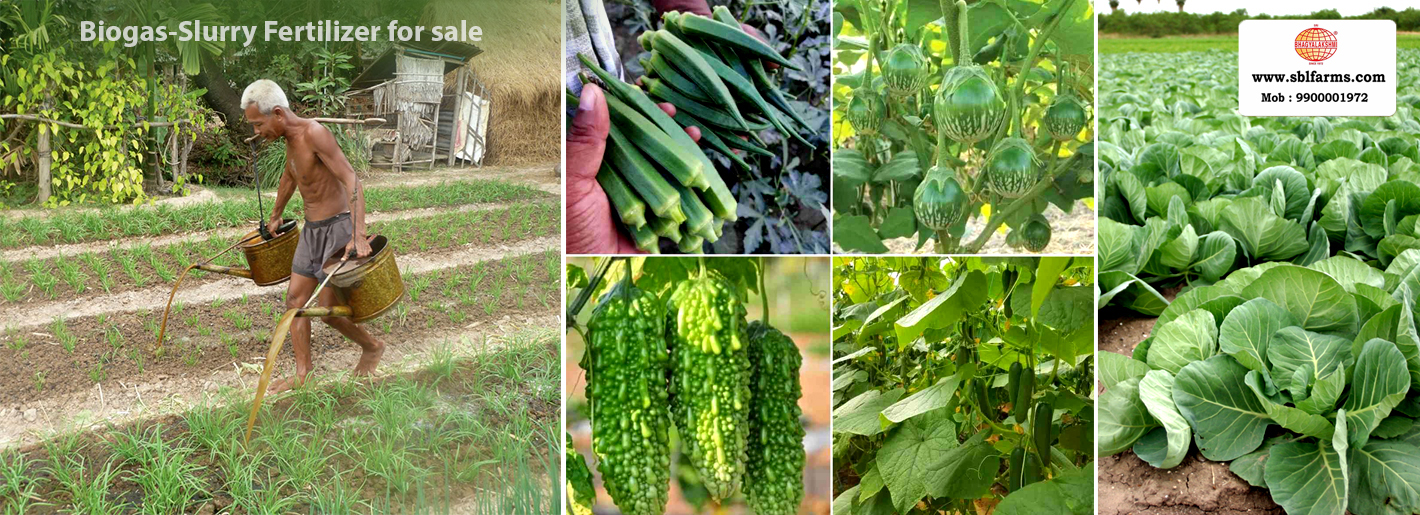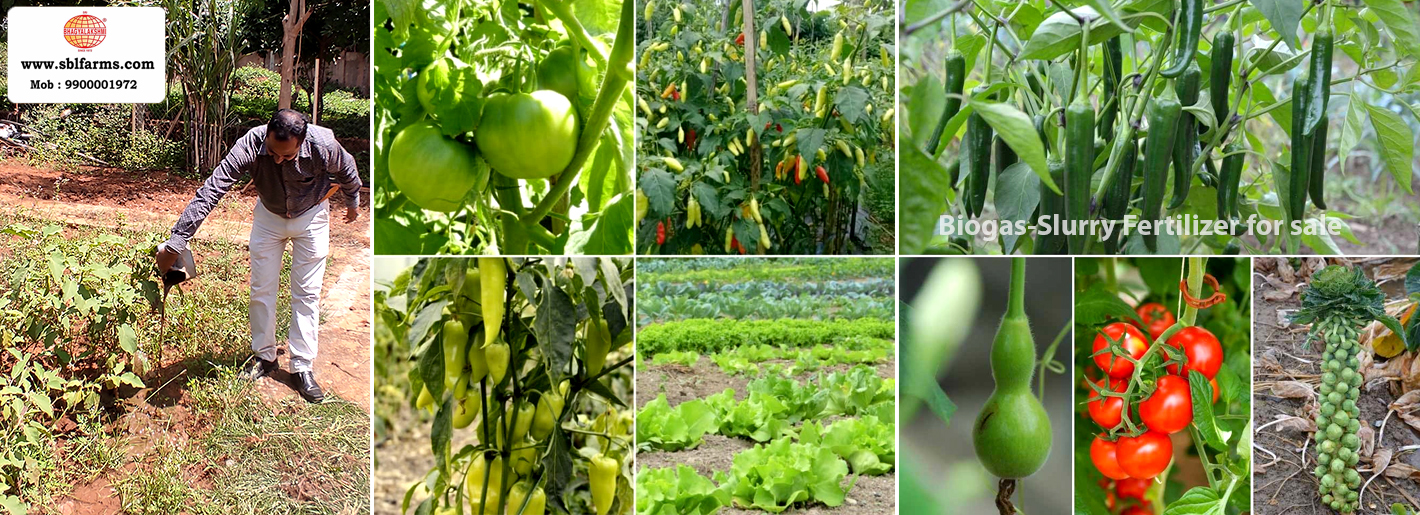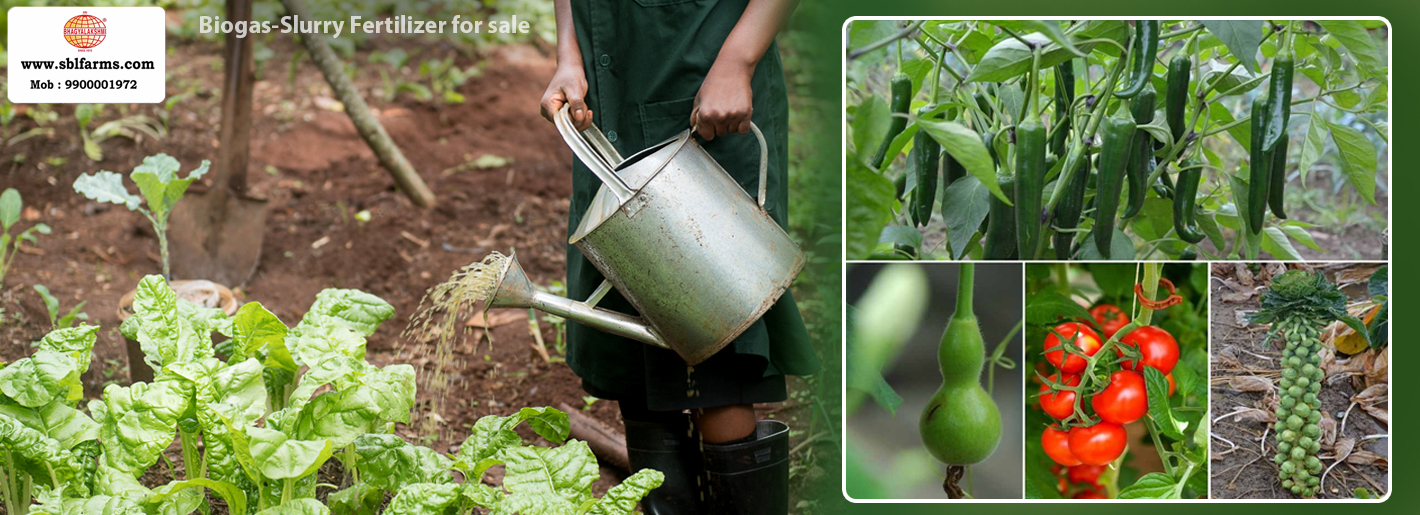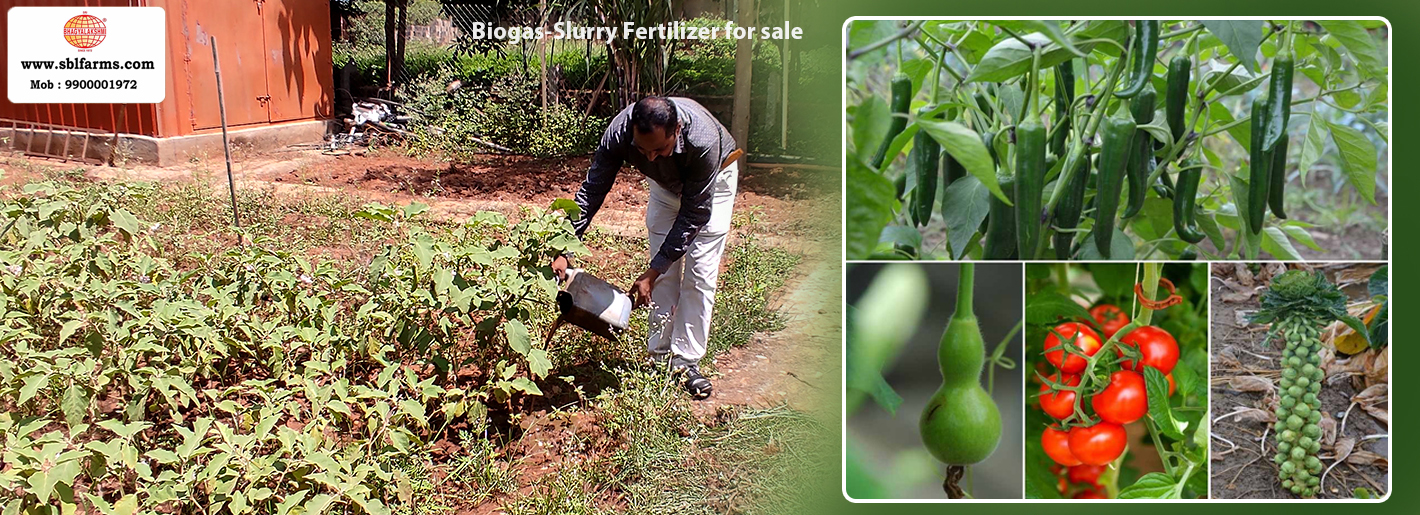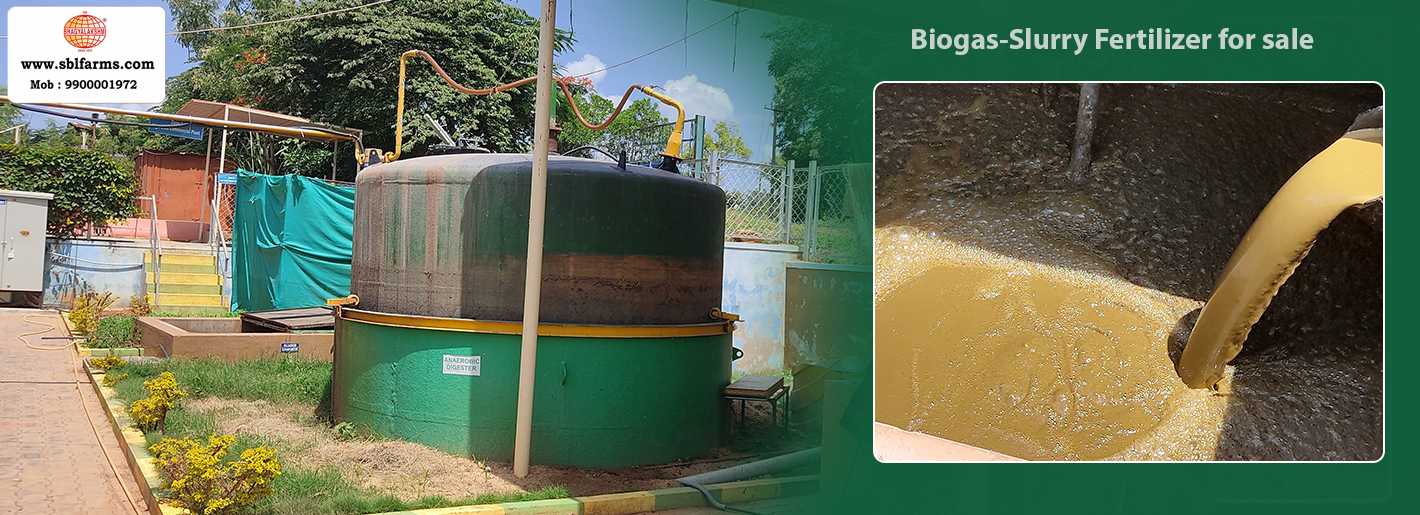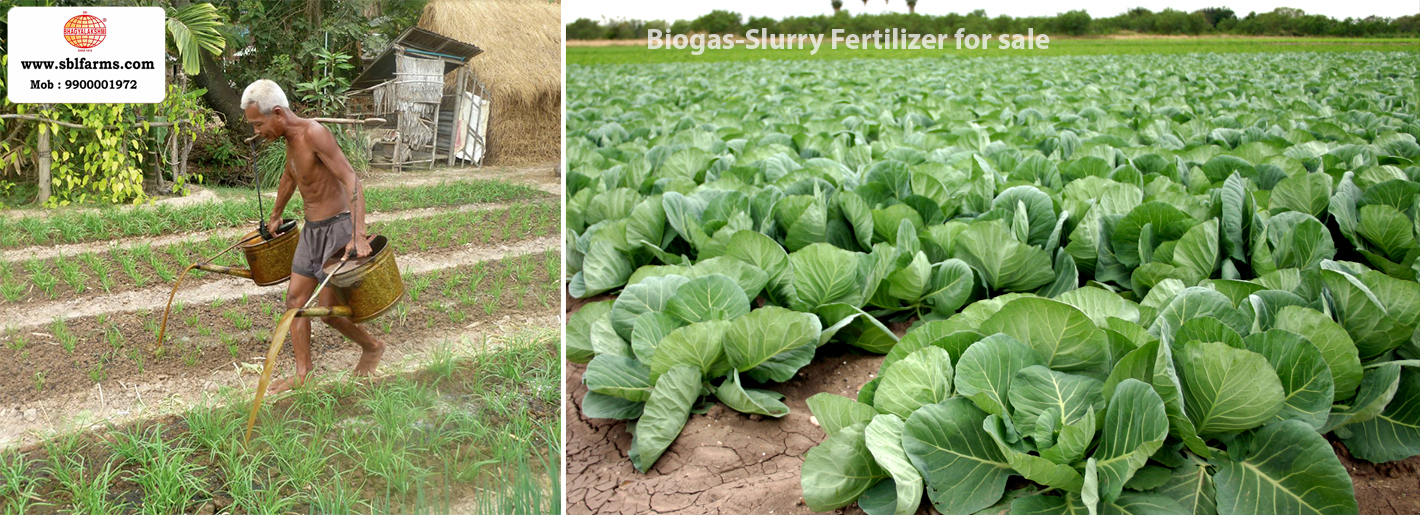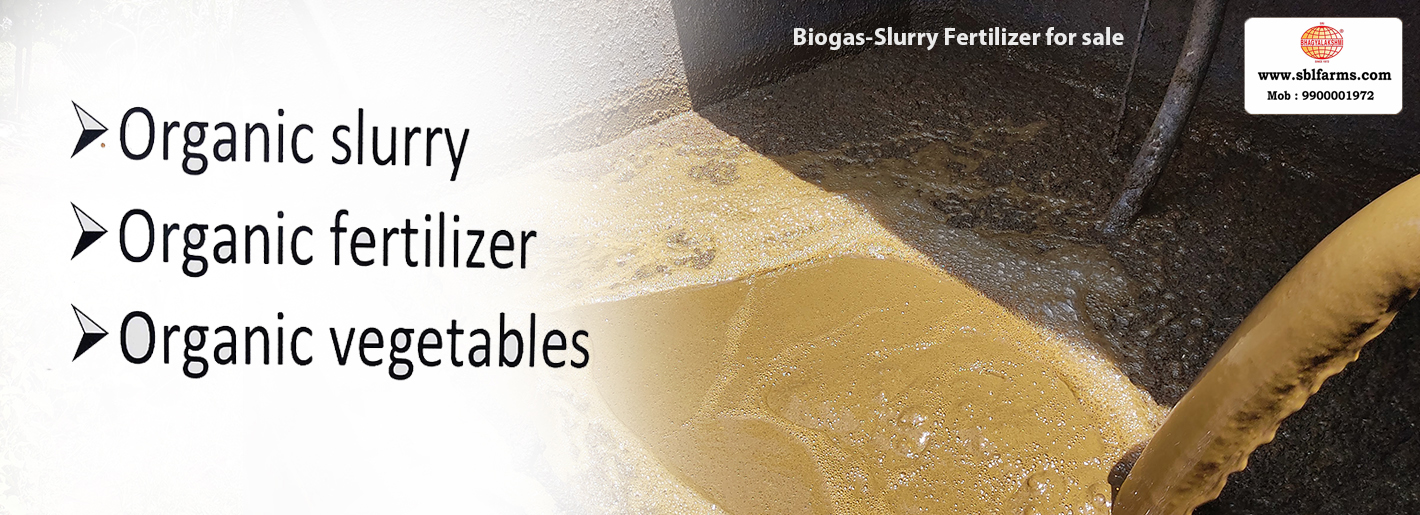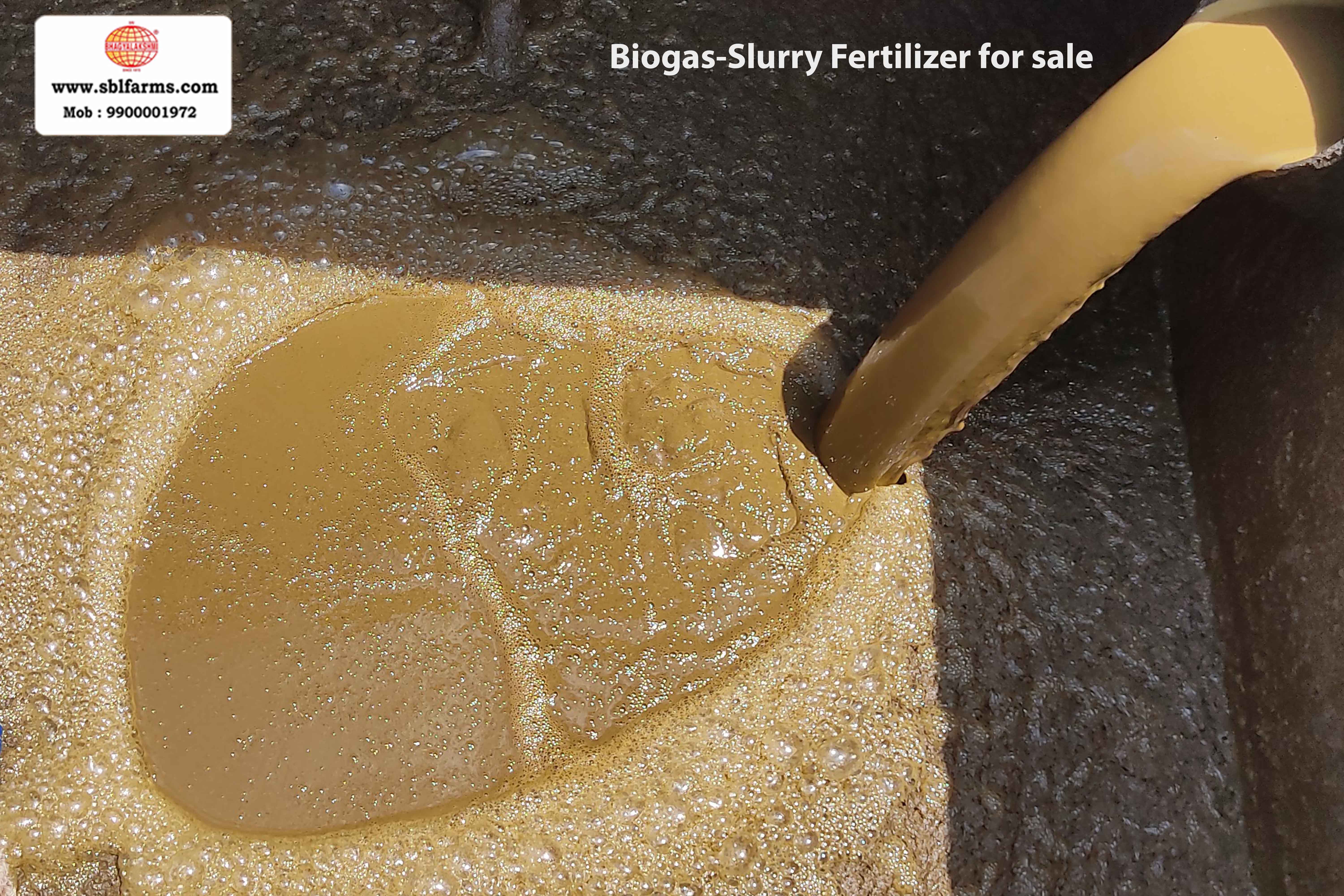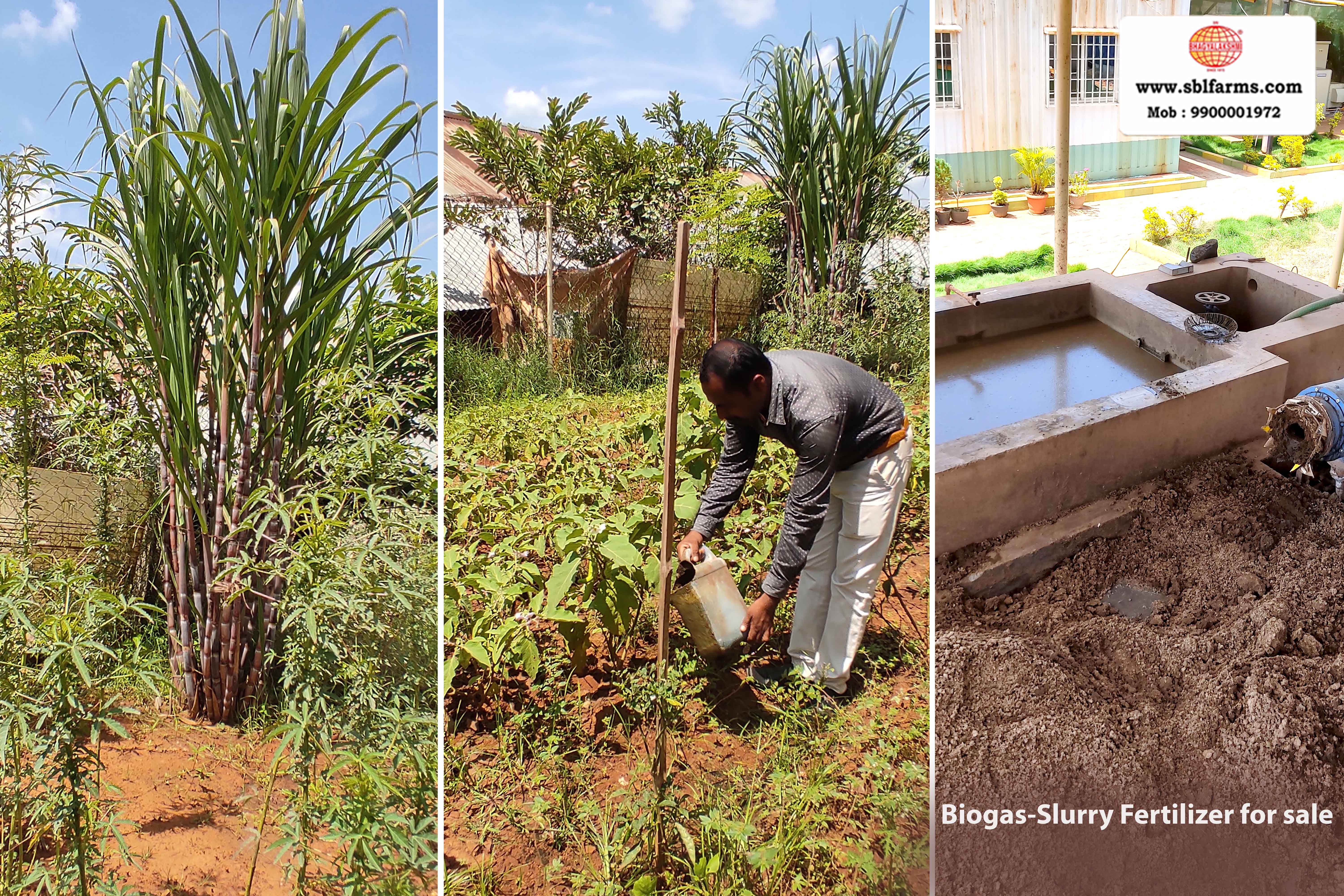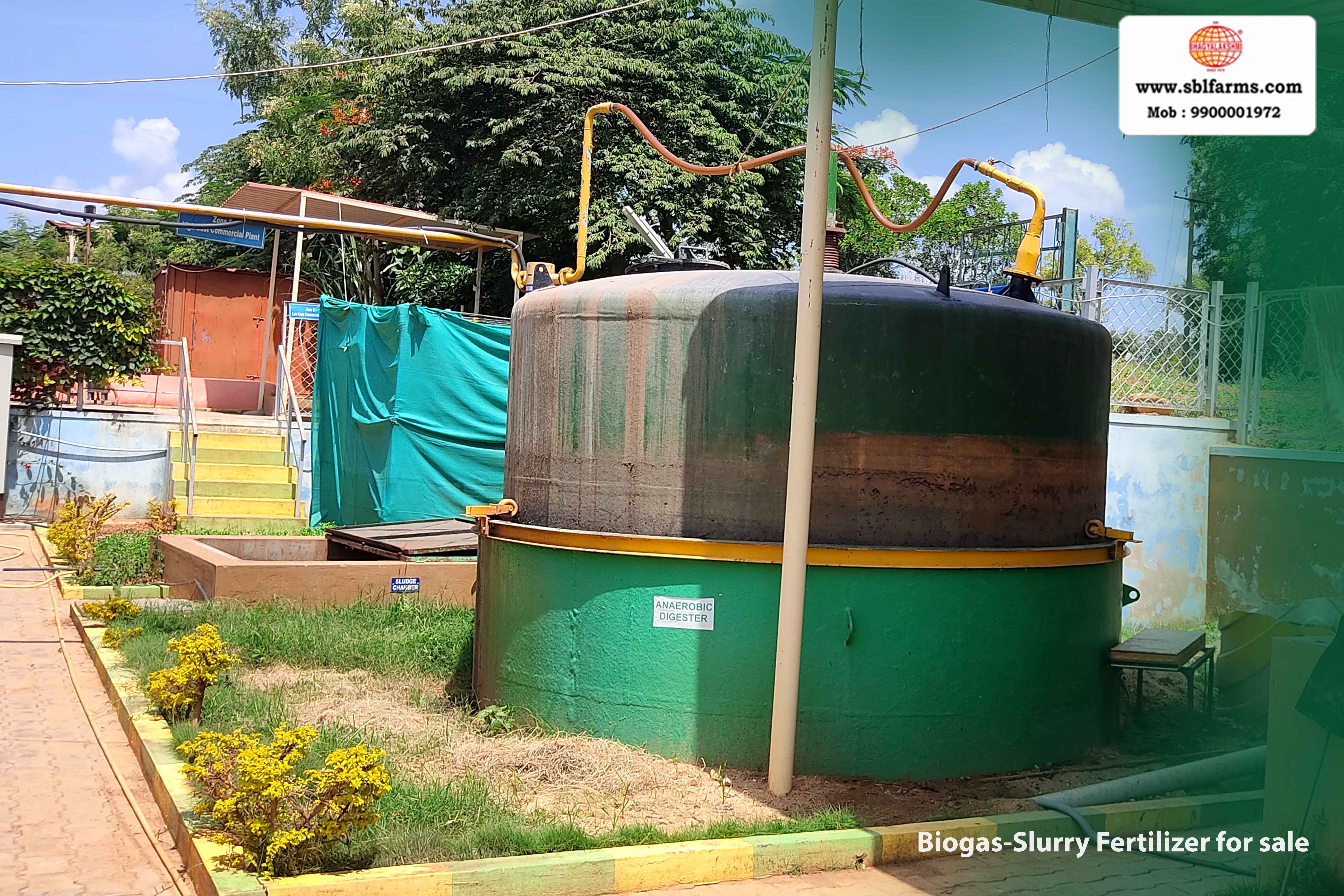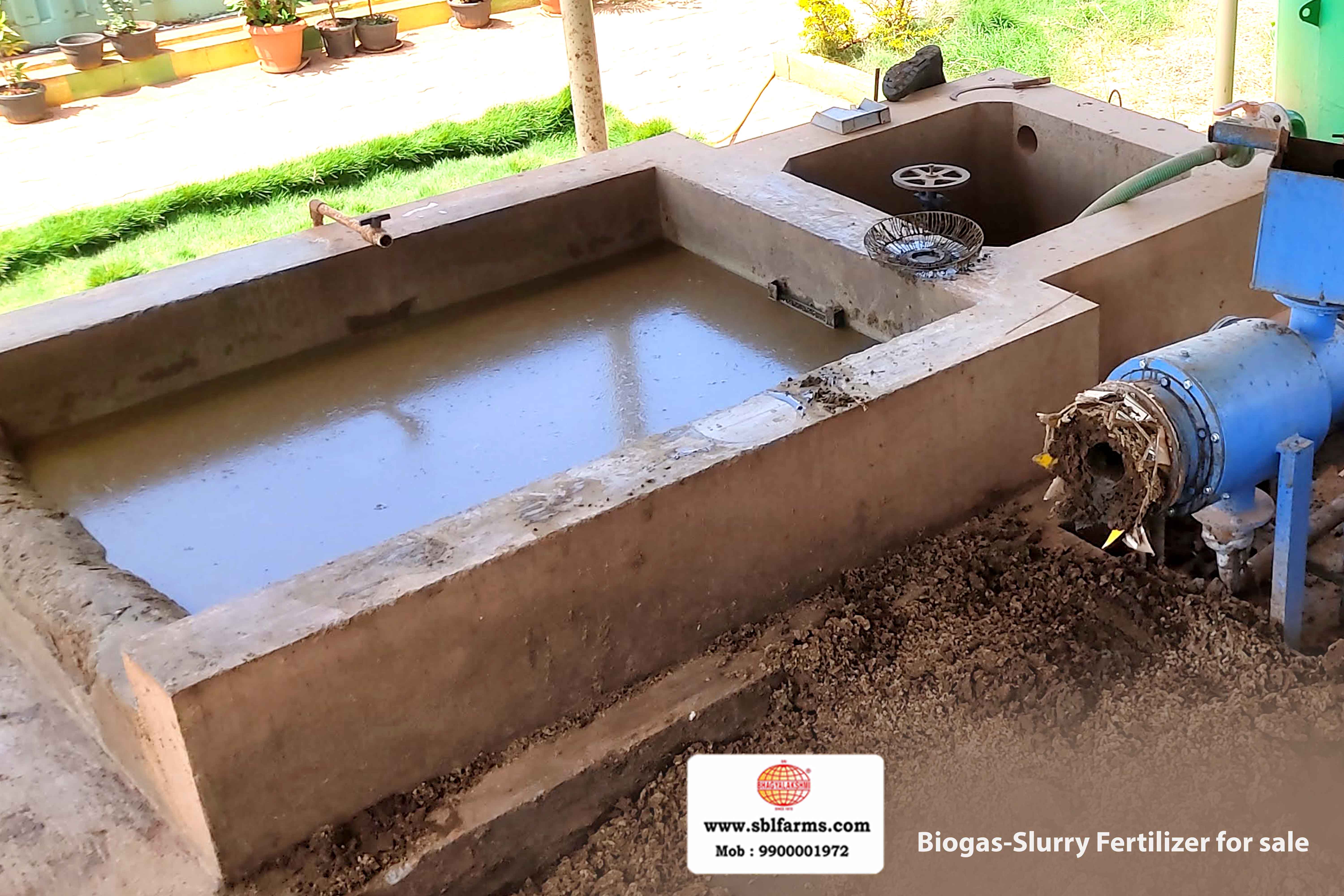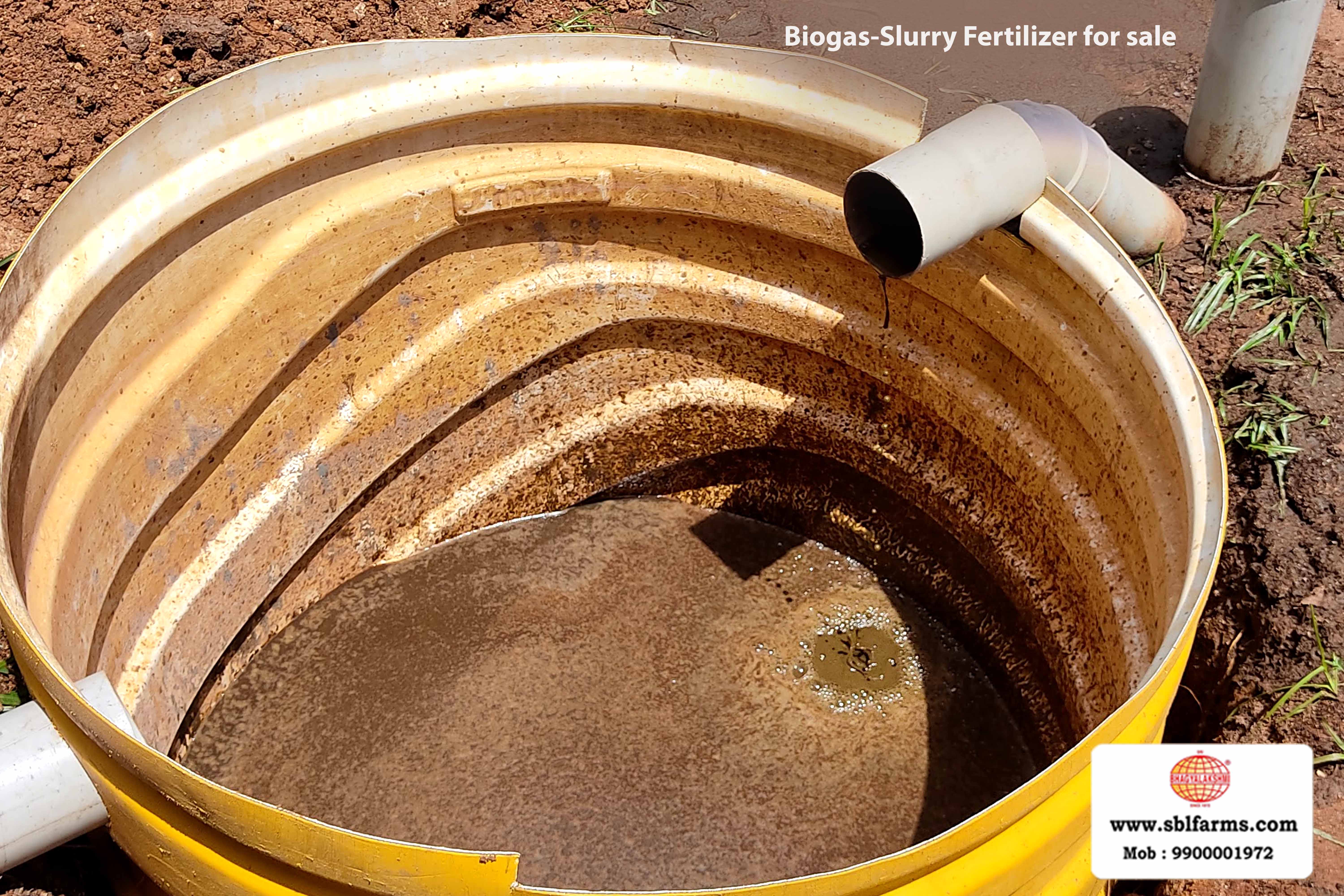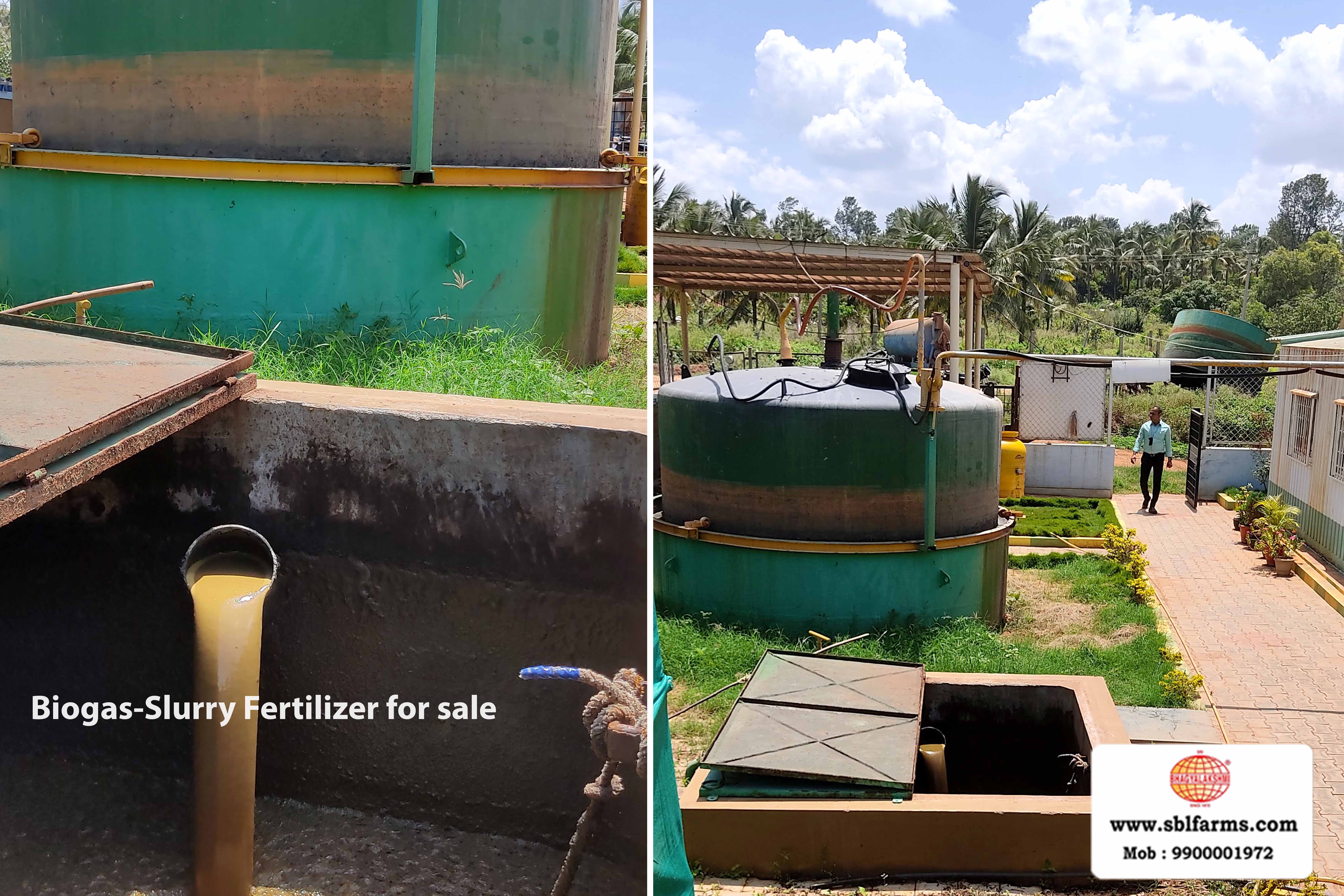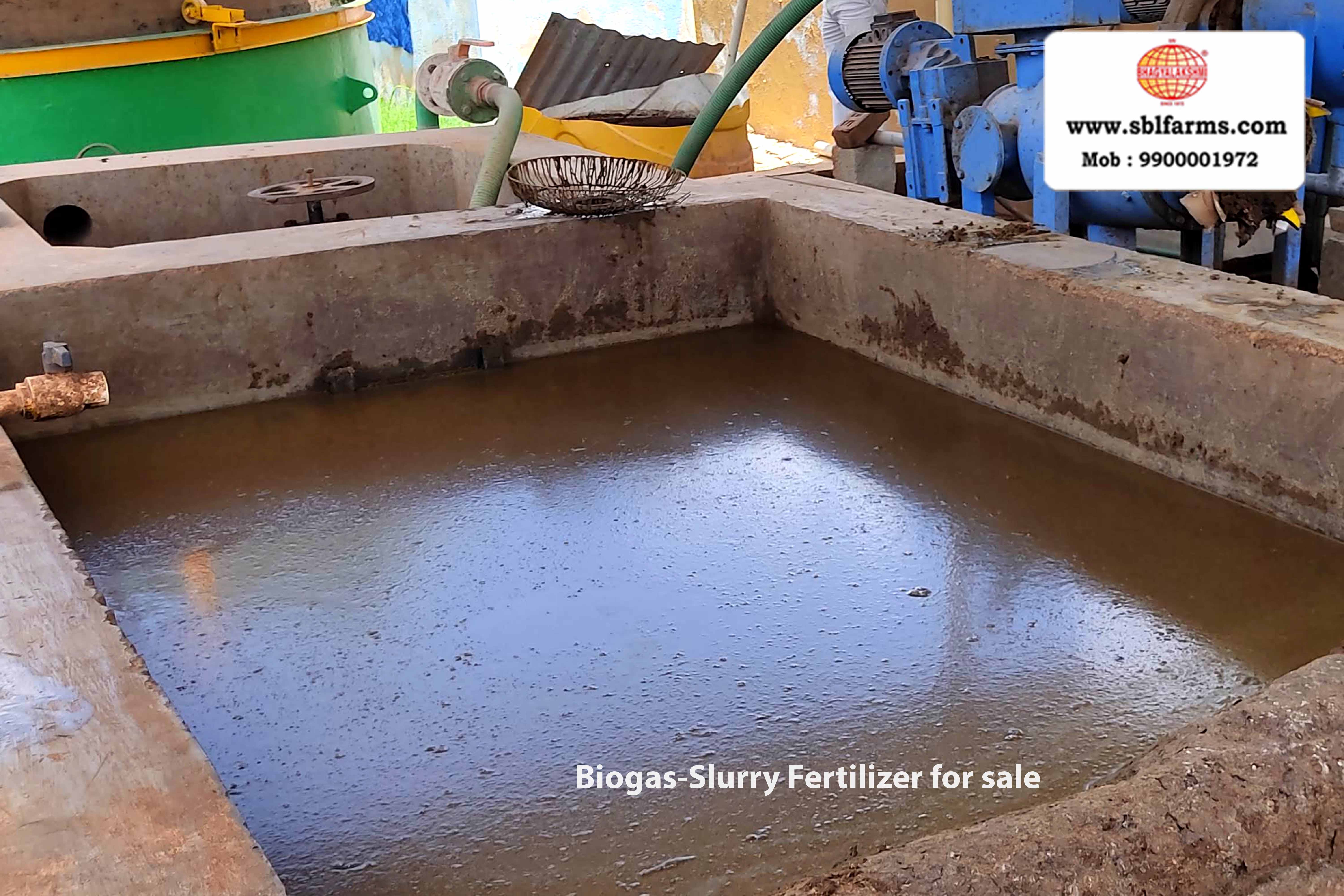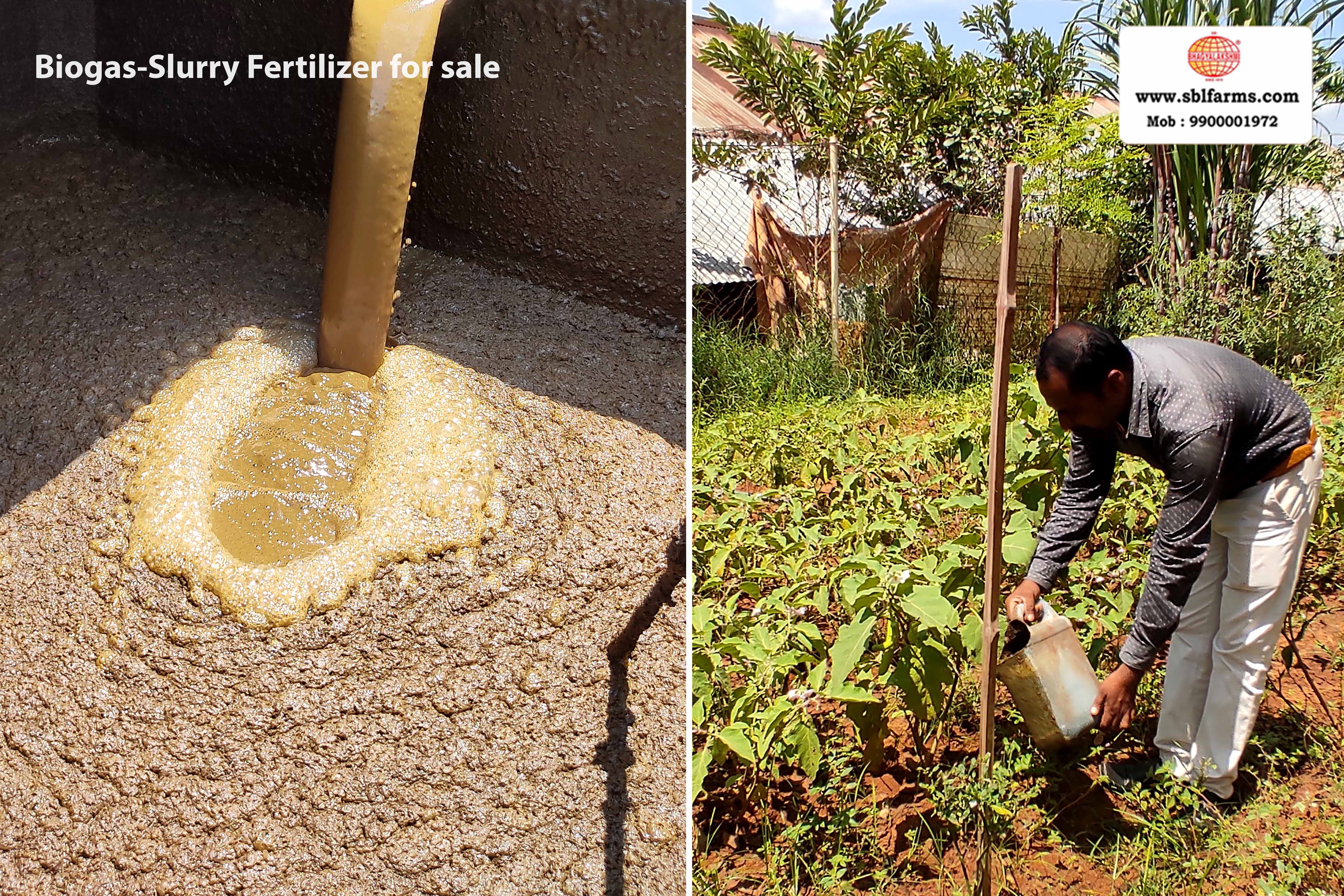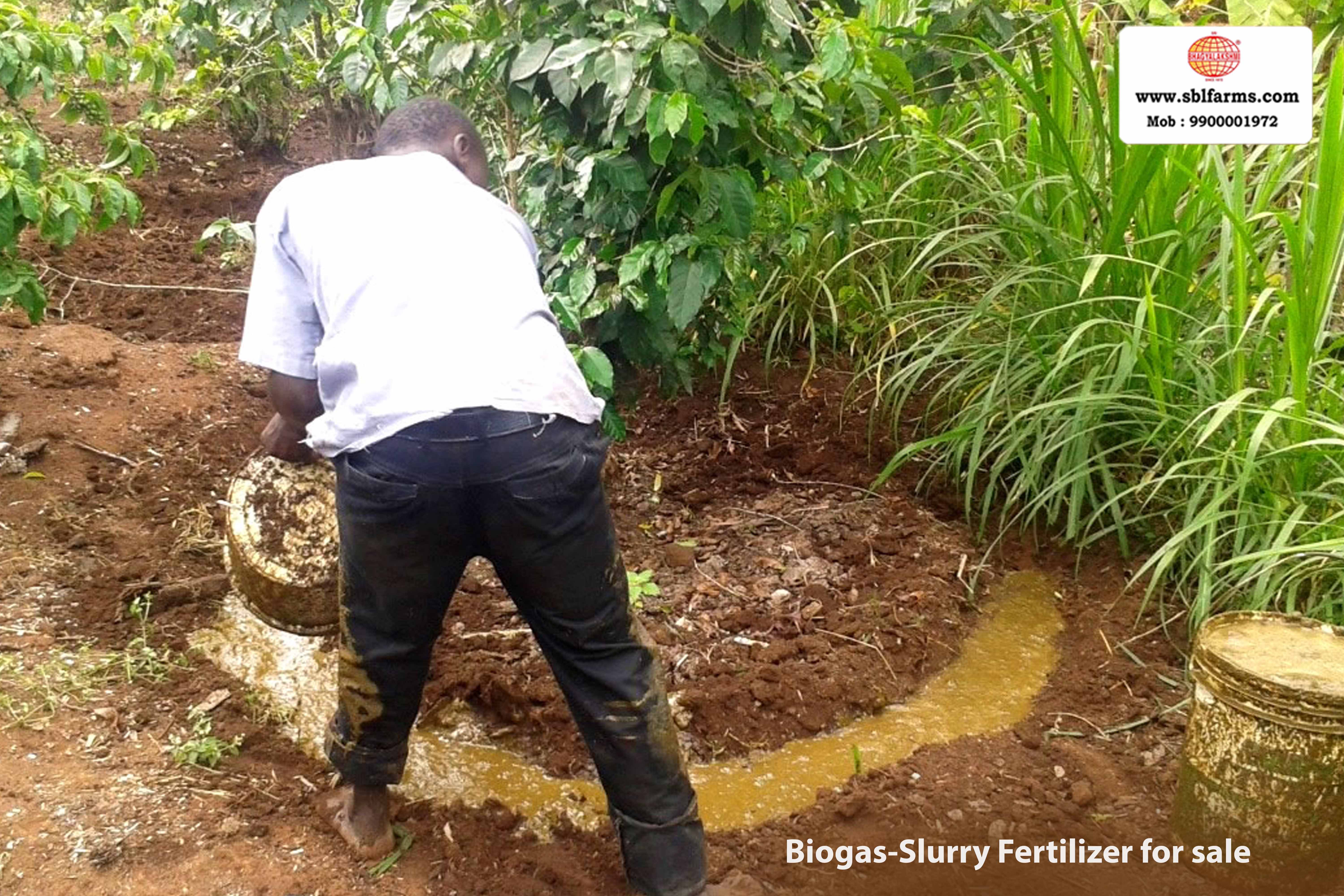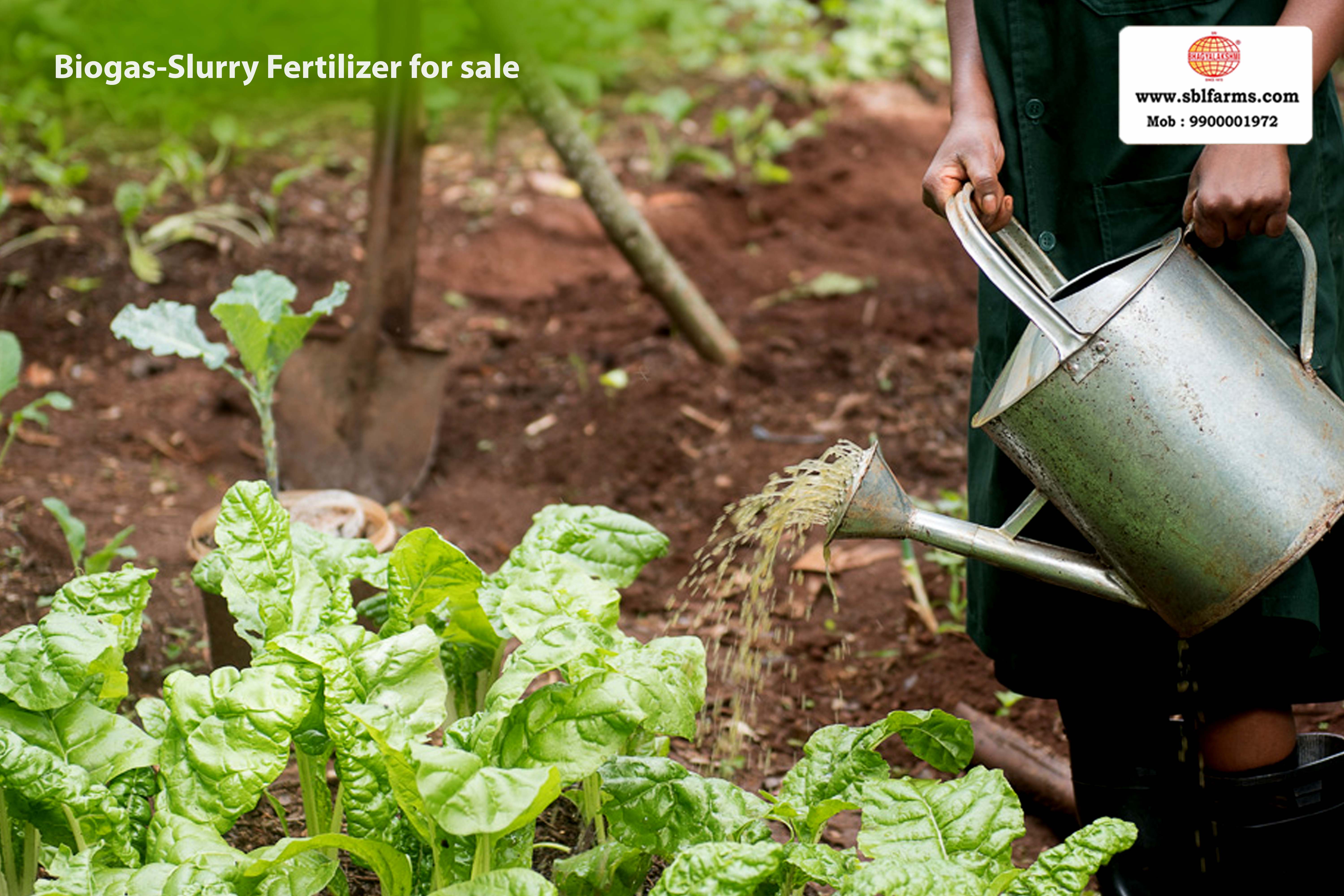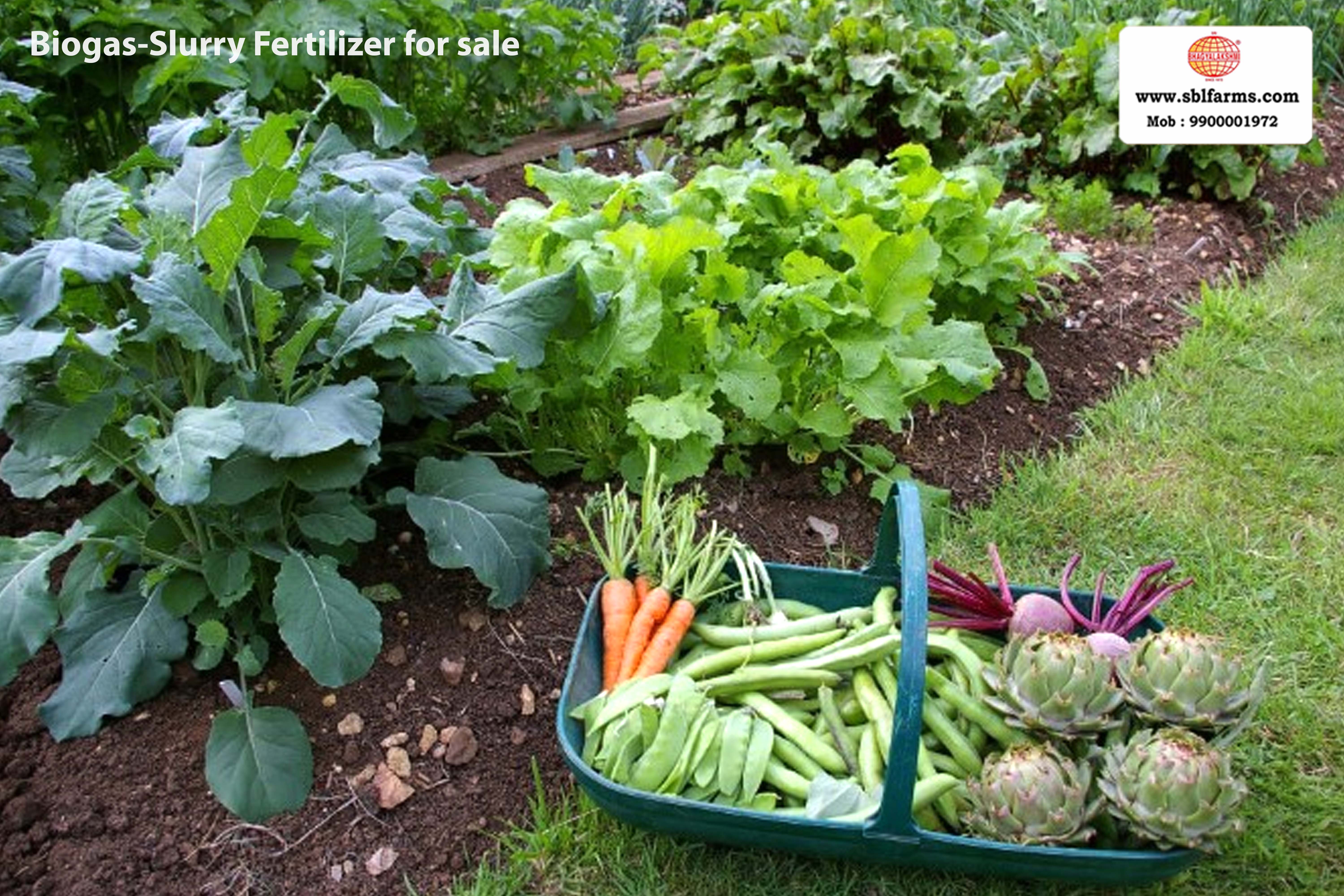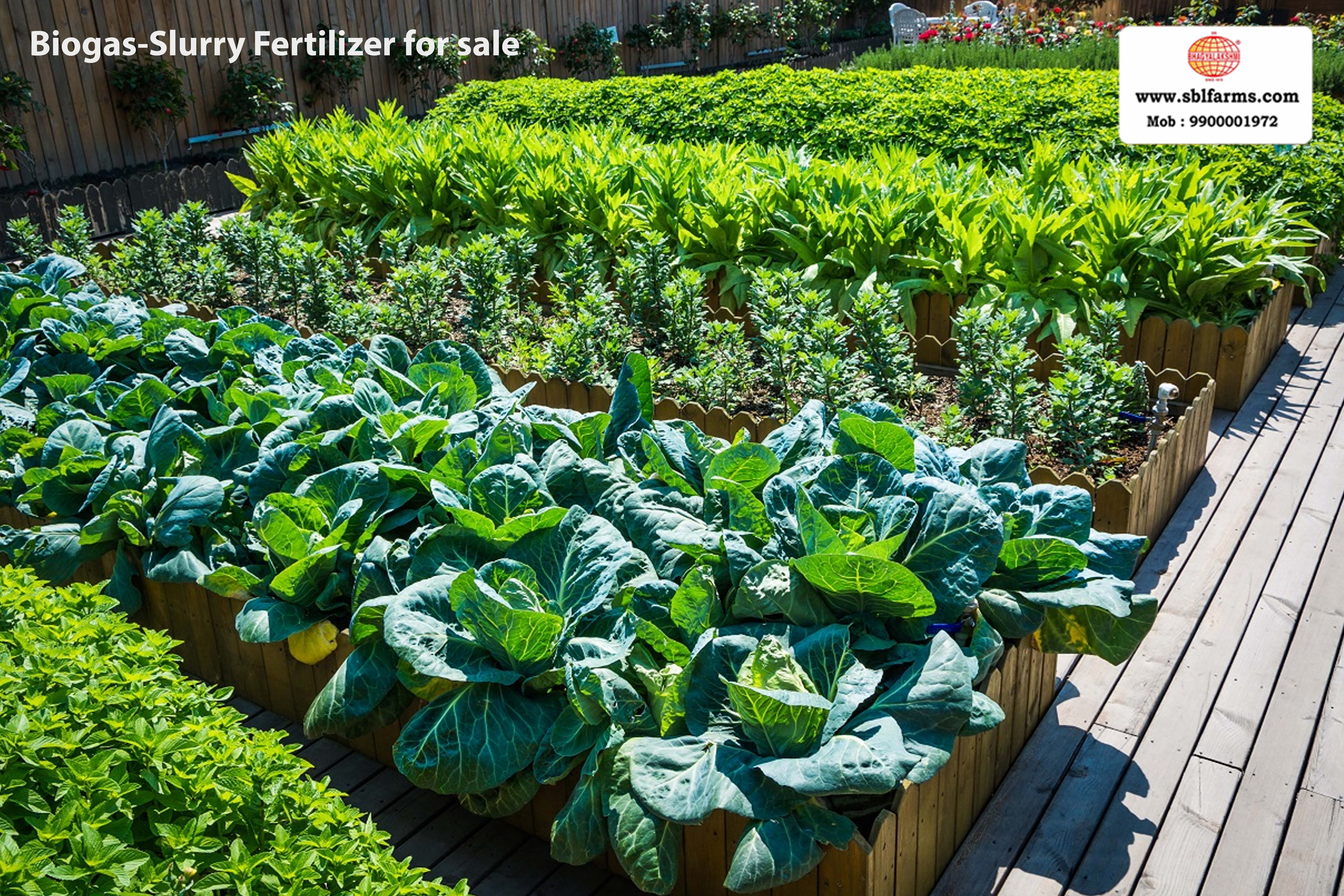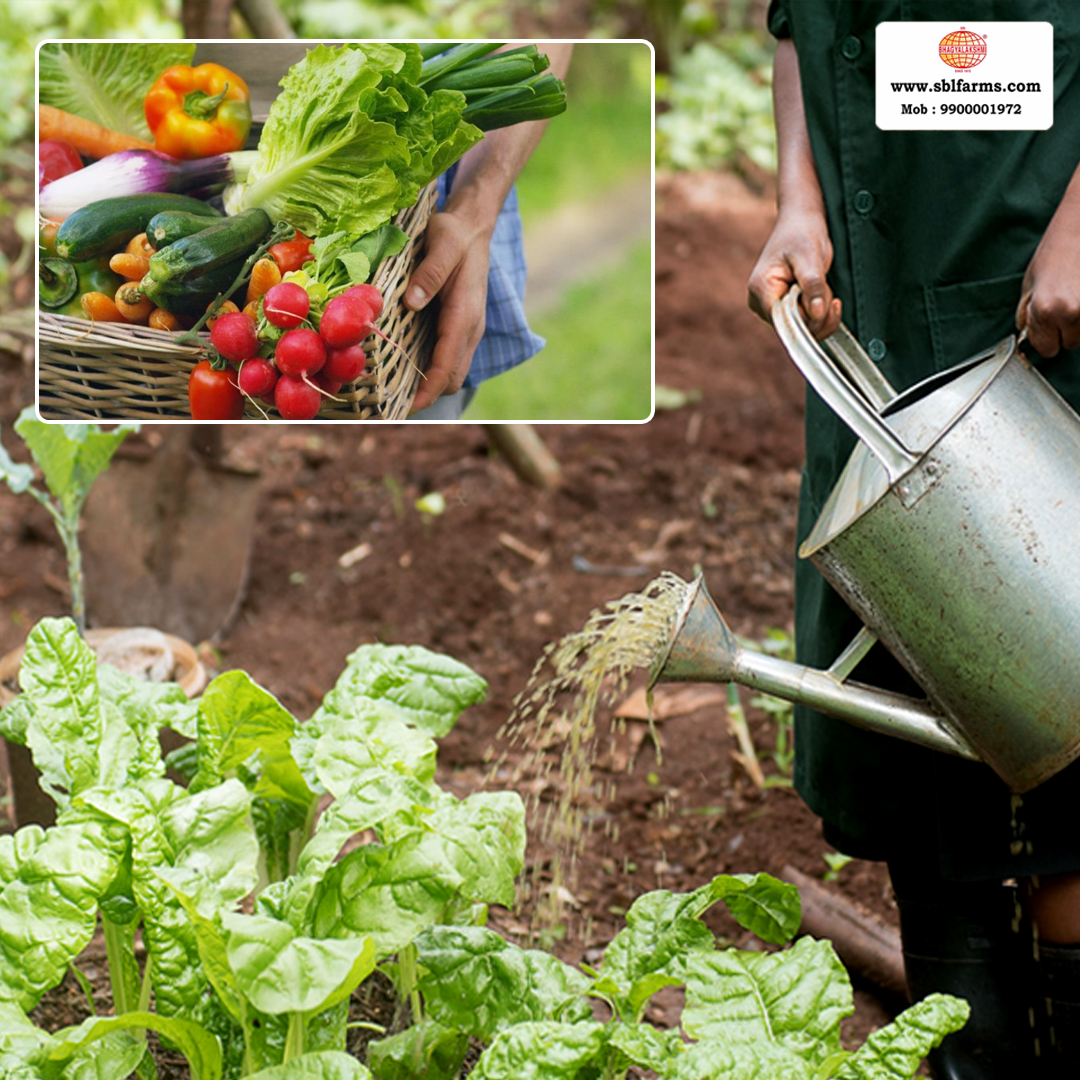
Biogas slurry may be considered as a good quality organic fertilizer for sustainable agriculture. ... By applying the digested biogas slurry (DBGS) in the field for long term basis help in reducing fertilizer demand and provide an eco-friendly way of maintaining productivity and soil health.
The digested slurry as one of the outputs of a biogas plant can be returned to the agricultural system. Proper application of the slurry as organic fertilizer increases agricultural production because of its high content of soil nutrients, growth hormones and enzymes.
Slurry is created from cow manure and water and provides a fantastic, natural fertiliser that farmers can use to encourage the growth of grass and other crops. It is usually stored in a slurry tank or lagoon before it is applied to farmland as fertiliser.
Bioslurry is a good fertiliser for crops and improves the soil fertility, soil structure and yields of crops. It is often even better than regular Farmyard Manure (FYM) and may also reduce the use of chemical fertilisers. With the right rate of 10 to 20 tons/ha in irrigated areas and 5 tons/ha in dry farming, crops can show significant increase in yields. Indeed, bioslurry increases crop revenues by 25 percent on average.
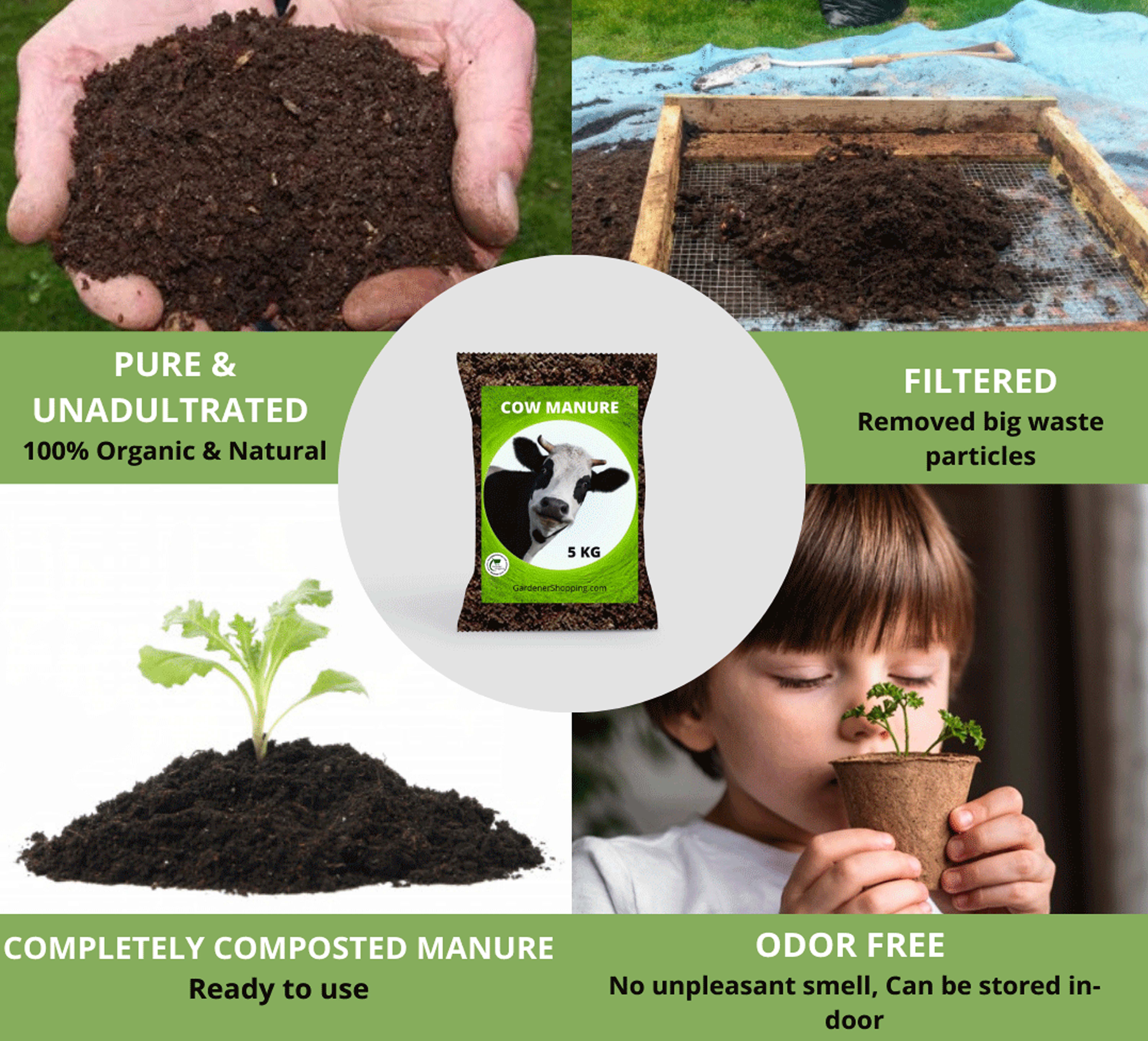
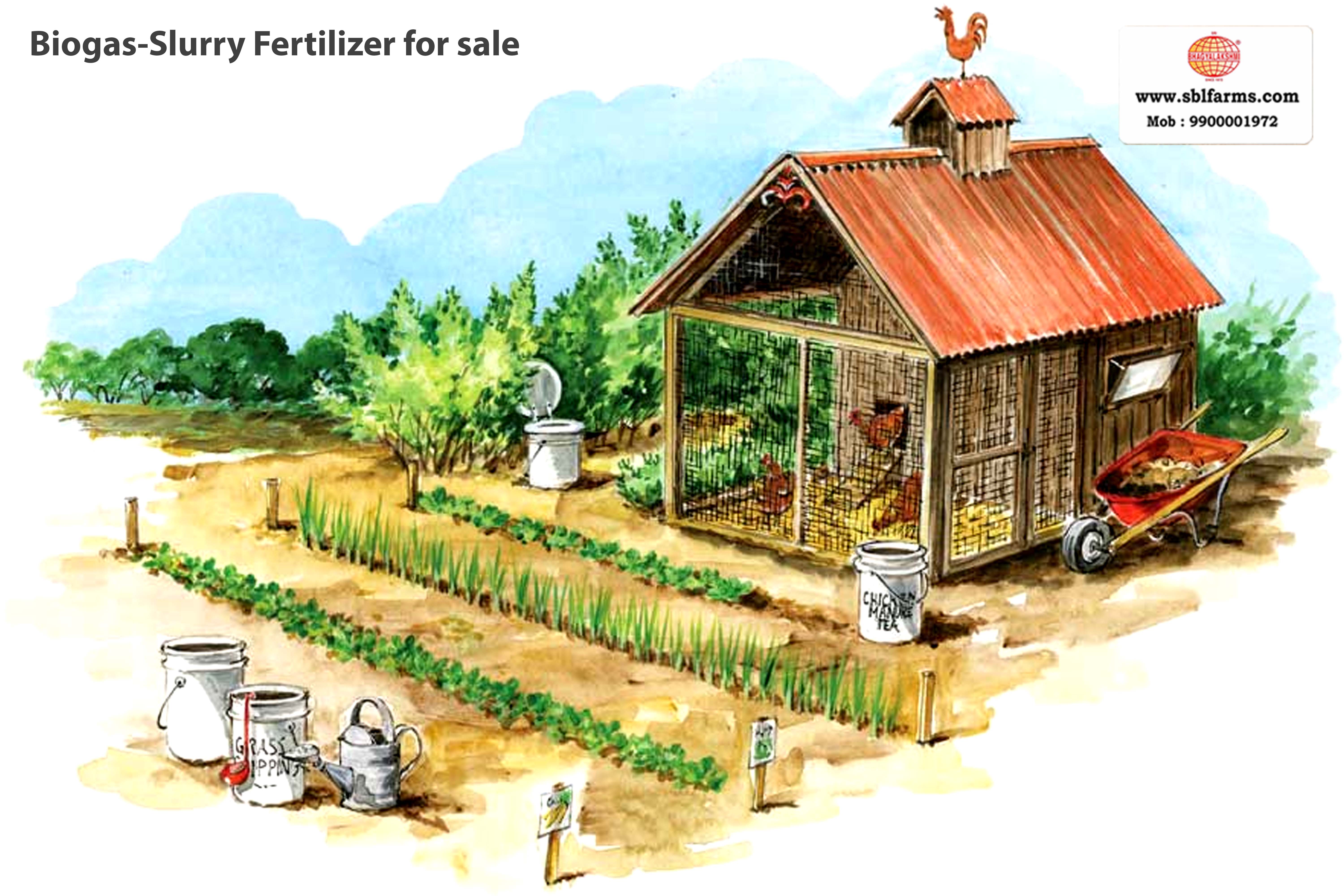
cow manure can be used on all matter of plants, including native plants. Because cows eat grass, their manure is perfect for adding structure and increasing aeration in the soil. Earthworms will also be happy in soil combined with cow manure.
Every seasoned gardener knows that the secret to a great garden is healthy, happy soil. Soil quality depends on factors such as drainage, nutrient density, salinity levels, pH levels and more. The benefit of using manure in the garden is that, when used correctly, it will improve virtually all of these factors.
The use of manure for fish pond fertilization has become increasingly important in recent years by small scale fish farmers. Also, bio-slurry can effectively be used in aquaculture. Direct consumption of bio-slurry and manure by fish is not very effective, because most manures and bio-slurries contain very little compounds that can be digested by fish, because most digestible compounds have been removed by the animals that have produced the manure and for bio-slurry also by the consecutive anaerobic digestion. Mostly, the nutrients in bio-slurry and manure promote growth of algae and plankton that can serve as fish feed. Both bio-slurry and manure can lead to similar fish production as with commercial fish feeds. The differences between bio-slurry and manure as fish feed seem small. Only oxygen levels in fish ponds appear to be lower, but not severely, for manure than for bio-slurry.

bioslurry, biogas, increase yields, fertiliser, composting. Bioslurry is a good fertiliser for crops and improves the soil fertility, soil structure and yields of crops. It is often even better than regular Farmyard Manure (FYM) and may also reduce the use of chemical fertilisers.